Learn About leak detection
Learn About leak detection
Blog Article
Essential Plumbing Services: Why You Need a Professional Today
In any house, plumbing issues can occur suddenly, causing substantial interruptions. Troubles including stopped-up drains or dripping pipes typically necessitate more than do-it-yourself remedies. Consulting a qualified plumber not only tackles pressing concerns but also creates the base for regular upkeep. Learning about the vital services accessible can equip homeowners to decide effectively. The question lingers: what are the vital plumbing requirements that every homeowner should comprehend?
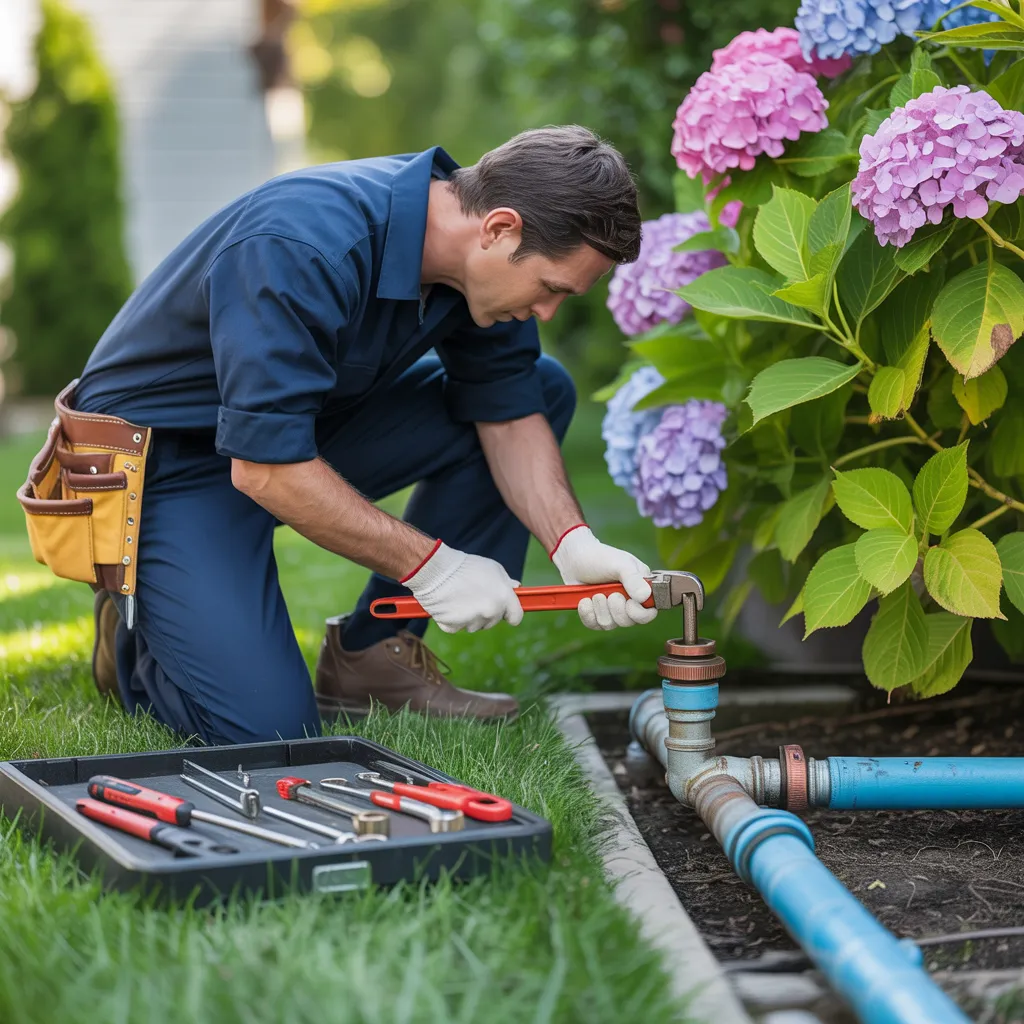
Top Pipe Problems and How to Fix Them
When homeowners run into plumbing issues, they commonly face common problems that demand prompt attention. Clogged drains are one of the most frequent concerns, often caused by the accumulation of grease, hair, and debris.
Homeowners can briefly ease this by using a plunger or a drain snake, but persistent clogs typically require professional assistance.
Leaky faucets constitute another widespread issue, causing water wastage and increased utility bills. A straightforward replacement of washers or O-rings can often fix this problem.
Furthermore, leaky toilets can deplete substantial water, usually due to a faulty flapper or fill valve. Property owners may try to address this by adjusting or upgrading parts on their own.
To summarize, cracked pipes, commonly originating from freezing temperatures, require immediate professional intervention to prevent considerable water loss.
Acknowledging these typical plumbing issues aids property owners pursue expedient outcomes and sustain their home's plumbing system competently.
The Significance of Regular Upkeep
Regular maintenance is imperative for preserving the longevity and efficiency of a home's plumbing system. Frequent inspections can recognize hidden problems before they increase, saving homeowners from costly repairs.
Elementary duties, such as looking for leaks, cleaning faucets, and checking water heaters, can greatly enhance system performance. Additionally, regular maintenance helps to keep water standards, as sediment buildup in pipes can lead to contamination.
Homeowners ought to also consider arranging professional drain cleaning to prevent blockages. By dedicating resources to regular upkeep, homeowners not only guarantee their plumbing operates smoothly but also boost the overall value of their property.
Adopting a preventative strategy for plumbing upkeep in the long run generates a stress-free residential setting.
Quick Plumbing Answers
Dealing with a plumbing crisis can be stressful for any property owner, making it crucial to know important resources that can provide quick assistance.
Emergency plumbing services include quick response crews on call 24/7, able to address issues like burst pipes, severe leaks, or toilet overflow. These professionals can rapidly evaluate the circumstances and apply temporary fixes to stop further damage.
Furthermore, offerings commonly handle drain cleaning, water heater restoration, and detailed guide sewer backups. Homeowners should also educate themselves on the significance of disabling the main water supply when critical situations arise.
At last, having access to emergency plumbing solutions not only lowers damage but also guarantees peace of mind during difficult times. Being prepared in these cases can save both time and money.
How to Fix Common Plumbing Difficulties
Plumbing issues can disrupt daily life, but many common issues have simple fixes. A blocked drain can often be resolved with a plunger or a combination of baking soda and vinegar. This method helps dissolve buildup without harsh chemicals.
Leaky faucets, another widespread issue, may simply require a new washer installation; halting the water supply and unscrewing the faucet makes possible easy access to the components.
To tackle toilets that run continuously, modifying the float mechanism or swapping out the flapper can return normal operation. For reduced water flow, checking for clogs in aerators or showerheads is an effective first step.
In conclusion, homeowners can often address minor pipe leaks with epoxy putty or tape as a quick fix. These straightforward approaches empower people the ability to tackle everyday plumbing concerns successfully, fostering a sense of self-sufficiency. However, stubborn problems may demand further examination.
When should you contact a professional pipe specialist?
How can an individual determine when to seek the skills of a professional plumber? Recognizing certain indicators can direct homeowners in making this decision.
Constant leaks that fail to respond to temporary fixes suggest a more grave underlying issue. Blocked drains that resist typical cleaning procedures may necessitate professional intervention to prevent extensive damage.
Furthermore, if a property owner encounters low water pressure or discolored water, these may signal plumbing problems that should not be overlooked.
Serious concerns including sewer line backups or major water deterioration demand immediate professional assistance to curb risks.
Property owners should also assess the age and condition of their plumbing systems; outdated or worn pipes often result in costly repairs if not addressed timely.
In the end, if you're uncertain, contacting a qualified plumber can conserve time, money, and additional problems.
How Preventive Care Preserves Your Budget and Reduces Complications
Putting money into preventive upkeep can substantially lower the likelihood of expensive maintenance and inconvenient emergencies. Periodic inspections and care of plumbing systems can spot minor issues before they turn into major problems. For instance, small leaks, rusty pipes, or stopped-up drains can be taken care of quickly, saving homeowners from expensive repair bills down the line.
Furthermore, efficient preventive approaches improve the overall performance of plumbing systems. By ensuring that pipes and fixtures are in optimal shape, property owners can sidestep the additional costs connected to elevated water costs resulting from leaks or inefficiencies.
Additionally, preventative maintenance preserves property value. A well-maintained plumbing system is attractive to potential buyers and can prevent future disputes or negotiations related to repairs.
In the final analysis, investing in preventive care not only maintains financial stability but also guarantees peace of mind, making it a excellent choice for homeowners wanting to sidestep stress.
Why Routine Plumbing Check-Ups Are Important
Consistent plumbing check-ups are essential for maintaining a home's infrastructure. These assessments enable professionals to identify potential concerns before they escalate into costly repairs. By addressing problems such as leaks, blockages, or aging pipes early, homeowners can eliminate extensive injury to their property and guarantee a safe living environment.
Moreover, periodic evaluations boost the overall functionality of plumbing systems. They can identify inefficiencies that cause increased water bills, permitting homeowners to make necessary adjustments.
Ongoing care also extends the service life of plumbing systems and appliances, fostering sustained economic benefits.
Additionally, a well-kept plumbing system boosts home value, making it more desirable to potential buyers.
Ultimately, emphasizing regular plumbing check-ups is essential for protecting a home's structural soundness and operational efficiency, offering reassurance to homeowners concerned about unexpected plumbing issues.
Initial Inspection Process
When a plumbing service call is made, the plumber arrives prepared to evaluate the situation methodically. The process starts with a comprehensive inspection of the property, often starting with a conversation about the reported issues.
The technician then examines plumbing fixtures and parts that are visible, such as pipes, fixtures, and appliances, looking for marks of wear or damage. They may also utilize diagnostic tools to uncover underlying issues that are not immediately apparent.
During this initial inspection, the technician takes detailed notes and captures images to document findings. This comprehensive evaluation assists in creating an precise assessment and establishes the foundation for any required maintenance.
In the final analysis, this methodical approach guarantees that no aspect of the plumbing system is unaddressed, promoting effective solutions.
Service Completion Assessment
Once pinpointing and managing common plumbing issues, the technician will proceed with the completion of the service.
This phase involves a detailed review of the executed work to guarantee caliber and compliance with safety codes. The expert will explain the repairs made and any preventative measures occupants can take to avoid later complications.
An comprehensive invoice will be issued, specifying the services executed and associated costs. Payment options will be discussed, allowing clients to choose a method that suits them best.
Finally, the specialist will clean the work area, leaving it tidy and confirming that all equipment and supplies are removed.
Pleased clients can anticipate a subsequent phone call or email to confirm everything is functioning properly after the service.
Questions Frequently Asked
How Can I Select the Ideal Plumber for My Needs?
To choose the perfect plumber, one should examine experience, look at customer reviews, compare quotes, and confirm proper licensing and insurance. Referrals from friends can also supply valuable insights into trustworthiness and quality of service.
What Skills Should a Qualified Plumber Maintain?
A competent plumber should possess appropriate credentials, comprehensive instruction, and experience in plumbing work. They should also be licensed and insured, demonstrating their adherence to industry standards and guaranteeing excellent service for various plumbing needs.
Do Emergency Plumbing Services Function Around the Clock?
24/7 plumbing support are truly accessible 24/7. Industry experts highlight fast action to urgent situations, ensuring that users attain prompt help whenever plumbing emergencies arise, regardless of the hour or day.
What Ways Avoid Plumbing Issues in Older Homes?
Preventing plumbing problems in older homes requires frequent checks, routine maintenance, and prompt fixes. Modernizing outdated fixtures and maintaining proper drainage can also considerably reduce the risk of future plumbing complications.
Which water system tools must I acquire at Home?
A resident should have vital plumbing tools, such as a plunging tool, pipe wrench, variable wrench, sink wrench, tape measure, and a set of screwdrivers. These tools provide a basic foundation for resolving minor plumbing issues effectively.
Report this page