Compare drain cleaning
Compare drain cleaning
Blog Article
Crucial Drainage Services: Why You Should Hire a Professional Today
In any home, plumbing problems can occur suddenly, causing major disruptions. Difficulties involving blocked drains or water-leaking pipes typically need more than homemade repairs. Consulting a skilled plumber not only handles pressing concerns but also builds the base for routine maintenance. Recognizing the important services accessible can provide homeowners to decide effectively. The question lingers: what are the critical plumbing services that every homeowner should comprehend?
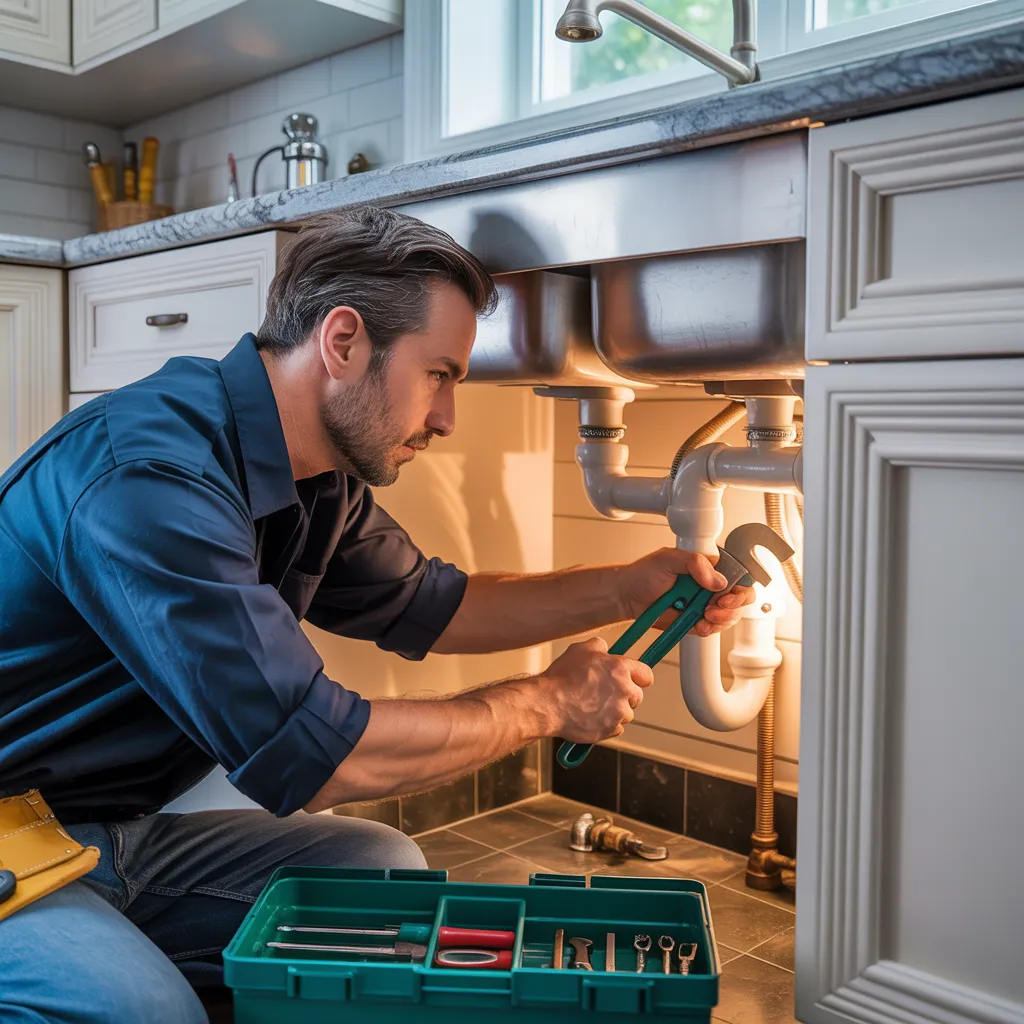
Chief Pipe Issues and How to Resolve Them
If homeowners encounter plumbing issues, they typically face common problems that need prompt attention. Clogged drains are one of the most frequent concerns, often caused by the accumulation of grease, hair, and debris.
Homeowners may momentarily relieve this by using a plunger or drain auger, but recurring blockages typically necessitate professional assistance.
Leaky faucets present another frequent challenge, producing water wastage and higher utility bills. A uncomplicated replacement of washers or O-rings can often address this concern.
Additionally, running toilets can squander significant water, usually due to a defective flapper or fill valve. Homeowners may attempt to fix this by modifying or replacing parts themselves.
Ultimately, burst pipes, often resulting from freezing temperatures, require immediate professional intervention to prevent extensive water damage.
Acknowledging these typical plumbing issues aids homeowners pursue expedient outcomes and maintain their home's plumbing system competently.
Regular Service Value
Regular work is imperative for preserving the longevity and efficiency of a home's plumbing system. Periodic inspections can recognize potential issues before they increase, preventing homeowners from expensive maintenance.
Elementary duties, such as checking for leaks, cleaning faucets, and inspecting water heaters, can greatly enhance system performance. Additionally, regular maintenance helps to maintain water quality, as mineral deposits in pipes can result in contamination.
Property owners should likewise consider scheduling expert pipe maintenance to prevent clogs. By dedicating resources to regular upkeep, homeowners not only ensure their plumbing functions properly but also enhance the overall value of their property.
Taking a preventative approach toward pipe care ultimately results in a stress-free living environment.
Immediate Plumbing Options
Tackling a plumbing emergency can be burdensome for any homeowner, making it vital to grasp important services that can offer immediate relief.
Emergency plumbing services include rapid response teams available 24/7, capable of address issues like ruptured pipes, major leaks, or overflowing toilets. These professionals can rapidly evaluate the circumstances and implement quick repairs to prevent additional harm.
Additionally, offerings often include drain maintenance, water heater repairs, and sewer backups. Homeowners should also familiarize themselves with the significance of shutting off the main water supply in critical situations.
Ultimately, having access to emergency plumbing solutions not only reduces damage but also guarantees peace of mind during stressful times. Preparedness in these situations can save both time and money.
How to Repair Standard Plumbing Issues
Pipe problems can disrupt daily life, but many common issues have simple solutions. A clogged pipe can often be resolved with a plunging device or a mixture of baking soda and vinegar. This method helps break down buildup without strong chemical cleaners.
Leaky faucets, another widespread issue, may simply require a washer replacement; turning off the water supply and loosening the faucet makes possible easy access to the components.
To fix running toilets, adjusting the float or replacing the flapper can bring back normal function. For reduced water flow, checking for clogs in aerators or showerheads is an practical first step.
Ultimately, residents can frequently fix small leaking pipes using epoxy putty or adhesive tape as a temporary solution. These uncomplicated methods let people to address routine plumbing concerns effectively, encouraging a feeling of self-reliance. However, ongoing problems may require deeper investigation.
When do you require to call a certified plumbing professional?
In what manner can homeowners determine when a professional plumber should be called? Detecting particular indicators can support homeowners in their decision-making process.
Constant leaks that fail to react favorably to temporary fixes suggest a more severe deep-seated problem. Blocked drains that resist standard cleaning efforts may necessitate expert involvement to prevent substantial harm.
In addition, if a homeowner finds weak water pressure or colored water, these may signal plumbing problems that should not be neglected.
Difficult matters such as sewer line backups or significant water impairment necessitate urgent professional services to diminish risks.
Homeowners should also think about the age and condition of their plumbing systems; outdated or worn pipes often lead to expensive fixes if not handled promptly.
In the end, if you're unsure, reaching out to a qualified plumber can save time, money, and additional problems.
How Preventive Maintenance Saves You Financial Resources and Inconvenience
Committing to preventive measures can markedly minimize the odds of pricey fixes and unexpected crises. Regular inspections and maintenance of plumbing systems can identify small defects before they escalate into serious troubles. For example, small leaks, worn pipes, or clogged drains can be addressed promptly, sparing homeowners from substantial repair charges later.
Furthermore, efficient preventive approaches improve the general efficiency of pipe networks. By ensuring that pipes and fixtures are in excellent condition, homeowners can prevent the extra expenses connected to elevated water costs resulting from failures or substandard performance.
In addition, preventative maintenance helps maintain property value. A well-maintained plumbing system is compelling to potential buyers and can prevent future disputes or negotiations related to repairs.
In the final analysis, committing resources to preventive care not only maintains finances but also ensures confidence, making it a judicious decision for homeowners hoping to avoid trouble.
Why Frequent Plumbing Check-Ups Play a Key Role
Consistent plumbing examinations are essential for upkeeping a home's infrastructure. These inspections allow technicians to recognize potential concerns before they multiply into costly repairs. By addressing problems such as leaks, blockages, or aging pipes early, homeowners can eliminate extensive damage to their property and secure a protected living environment.
Furthermore, scheduled inspections support the overall operation of plumbing systems. They can expose inefficiencies that trigger increased water bills, empowering homeowners to make necessary adjustments.
Regular upkeep also lengthens the lifespan of plumbing systems and equipment, promoting long-term savings.
In addition, a properly kept plumbing system improves home value, making it more attractive to potential buyers.
In the end, making plumbing check-ups a priority is important for preserving a home's functionality and integrity, delivering peace of mind to homeowners anxious about sudden plumbing problems.
Preliminary Inspection Process
When a plumbing service call is made, the plumber shows up ready to evaluate the situation systematically. The procedure starts with a comprehensive inspection of the premises, often starting with a discussion about the reported issues.
The technician then examines plumbing parts that can be seen, including pipes, fixtures, and appliances, searching for indications of wear or damage. They may also use analytical equipment to uncover concealed problems that are not immediately apparent.
During this initial inspection, the technician documents observations and photographs to document findings. This comprehensive evaluation assists in creating an precise assessment and lays the groundwork for any necessary repairs.
Ultimately, this methodical approach ensures that no aspect of the plumbing system is overlooked, facilitating effective solutions.
Service Completion Assessment
After identifying and addressing routine plumbing troubles, the technician will proceed with the service completion process.
This phase entails a thorough inspection of the work performed to assure high standards and compliance with safety standards. The technician will detail the repairs performed and any preventative measures homeowners can take to avoid subsequent difficulties.
An thorough invoice will be presented, describing the services rendered and associated costs. Payment options will be discussed, permitting clients to pick a method that suits them best.
Finally, the specialist will clean the workspace, leaving it tidy and confirming that all tools and materials are removed.
Satisfied clients can anticipate a follow-up call or email to verify everything is working correctly after the service.
Frequently Posed Questions
What's the Best Way to Find the Right Plumber for My Needs?
To select the best plumber, one should research qualifications, read customer reviews, compare estimates, and guarantee valid licensing and insurance. Word-of-mouth suggestions can also provide helpful insights into reliability and quality of service.
What Proficiencies Must a Professional Plumber Hold?
A competent plumber should possess appropriate credentials, extensive training, and expertise in plumbing work. They should also be insured and licensed, demonstrating their adherence to industry standards and ensuring excellent service for different plumbing requirements.
Is Emergency Plumbing Service Accessible 24 Hours a Day?
Urgent plumbing help are unquestionably at hand 24/7. Professionals in the industry concentrate on speedy action to urgent matters, making sure that people get quick help whenever plumbing problems occur, no matter the hour or day.
How Might I Minimize Pipe Problems in Older Homes?
Preventing plumbing issues in older homes requires regular checks, consistent upkeep, and timely repairs. Replacing outdated fixtures and maintaining proper drainage can also substantially reduce the risk of future plumbing difficulties.
What plumbing tools must I keep at Home?
A resident needs vital plumbing tools, such as a plunging tool, pipe-turning wrench, adjustable wrench, basin wrench, tape measure, and a collection of screwdrivers. These tools provide a fundamental base for addressing minor act now plumbing issues successfully.
Report this page